If you have ever agonized over a meta description, counting characters like a jeweler weighing gold, here is the liberating truth: Google has never set a fixed character limit for meta descriptions. The meta description length 2026 conversation is not really about a magic number at all. It is about how much of your description Google actually shows before cutting it off — and how to pack the most persuasive message into that visible space.
Most SEO teams still write to roughly 150–160 characters, and that remains a sensible guideline. But the teams getting the most clicks in 2026 treat length as an editing aid, not a law. They front-load the value, match search intent precisely, and measure what actually renders in the SERP. This meta description length 2026 guide covers the exact numbers, the pixel math behind them, what to write, real examples by page type, and three angles most guides miss: AI search, measurement, and a practical character-vs-pixel reference.
Meta Description Length 2026: The Short Answer
Here is the quick answer if you are in a hurry:
| Device | Safe visible range | Pixel cutoff (approx.) |
|---|---|---|
| Desktop | 150–160 characters | ~960 px |
| Mobile | 110–130 characters | ~680 px |
| The rule that matters most | Put the essential message in the first 110 characters | |
The safest target for meta description length 2026 is a complete, compelling thought between 130 and 150 characters. That is long enough to convey value and short enough to survive truncation on most screens. But remember: these are conventions, not Google rules. A 120-character description that nails the searcher’s intent will outperform a padded 160-character one every time.
Why Google Has No Fixed Character Limit
Google’s own documentation is explicit: there is no maximum length for the meta description tag itself. You can write 300 characters and Google will happily store them. The limit you feel is the snippet — the portion Google chooses to display in search results — which gets truncated to fit the available space.
Two things control what searchers actually see:
- Available display space. Google measures in pixels, not characters. A description full of wide letters like “W” and “M” eats more space than one full of narrow letters like “i” and “l”. Two descriptions with identical character counts can render very differently.
- Google’s snippet selection. Snippets are generated primarily from your page content. Google uses your meta description only when it judges that your description represents the page better than anything else on it. Roughly 70% of descriptions get rewritten in practice — which means your perfectly counted 155 characters may never appear as written.
This is why the meta description length 2026 debate is misleading when framed as a single number. Understanding these two factors is the real key to meta description length 2026 success: write the most useful summary possible, stay near the guideline range, and front-load the key point so it survives any cutoff.
Desktop vs. Mobile: What Actually Gets Cut Off
On desktop, Google truncates snippets at roughly 960 pixels — about 150 to 160 characters in a typical sentence. On mobile, the cutoff drops to roughly 680 pixels — around 110 to 130 characters.
The practical rule for meta description length 2026 across devices: the first 110 characters must earn the click on their own. Everything after that is a bonus for desktop users. If your call to action sits at character 145, a large share of mobile searchers will never see it.
A useful test when you set your meta description length 2026 targets: read your description and ask whether the first 110 characters alone tell the searcher what the page offers and why it is worth clicking. If yes, the length is right regardless of the total count. If the payoff only arrives at the end, rewrite it — do not just shorten it.
What to Write in Your Meta Description
When you apply these meta description length 2026 guidelines, remember: length gets the attention, but the words do the work. A meta description is your page’s elevator pitch. Here is what the best ones share.
1. Match the search intent
An informational query wants a promise of learning (“Learn how…”), a transactional query wants a value proposition (“Free shipping, 30-day returns”). If the description does not reflect why the person searched, the length is irrelevant — they will skip you.
2. Put the benefit in the first sentence
Lead with what the reader gains, not with your brand name or throat-clearing. “Cut your audit time in half with a step-by-step technical SEO checklist” beats “Welcome to our comprehensive guide about technical SEO audits.”
3. Include the keyword once, naturally
Google bolds query terms that appear in your snippet, which makes your result visually pop. One natural inclusion is enough — for instance, the phrase “meta description length 2026” appears once in this article’s own meta description and bolds in the SERP without looking stuffed. Keyword stuffing reads as spam and is one of the fastest ways to get your description rewritten.
4. End with a call to action
Give the searcher a verb: Learn, Discover, Compare, Download, Start, See how. Emotional, benefit-driven CTAs earn higher click-through than neutral summaries, but stay honest — sensational claims that the page does not deliver will bounce and hurt you.
5. Sound like your brand
A playful brand writing a stiff corporate description confuses returning visitors. Match the voice of the page itself. Consistency builds recognition in the SERP over time.
8 Real-World Examples by Page Type
Each meta description length 2026 example below stays within the safe range and follows the benefit-first structure.
| Page type | Example | Chars |
|---|---|---|
| Blog post | Learn the ideal meta description length, how Google truncates snippets, and proven formulas for writing descriptions that earn clicks. | 142 |
| Product page | Lightweight waterproof hiking backpack with padded straps and 25L capacity. Free shipping and 30-day returns — order today. | 130 |
| Service page | Get a technical SEO audit covering crawlability, indexing, site speed, and metadata. See exactly what is holding your rankings back. | 136 |
| Category page | Shop organic cotton t-shirts in 12 colors. Ethically made, machine washable, and rated 4.9 by 8,000+ customers. | 113 |
| Homepage | We help small businesses rank higher with transparent, white-hat SEO. Get a free site audit and a plan you can actually follow. | 128 |
| Local business | Family-run Italian restaurant in Austin since 1998. Wood-fired pizza, house-made pasta. Book your table online in 60 seconds. | 125 |
| Landing page | Compare the best CRM for small teams in 2026. Pricing, integrations, and migration help — find your fit in under 10 minutes. | 126 |
| Job listing | Join our remote-first engineering team. Senior backend role, competitive salary, equity. See the full job description and apply today. | 131 |
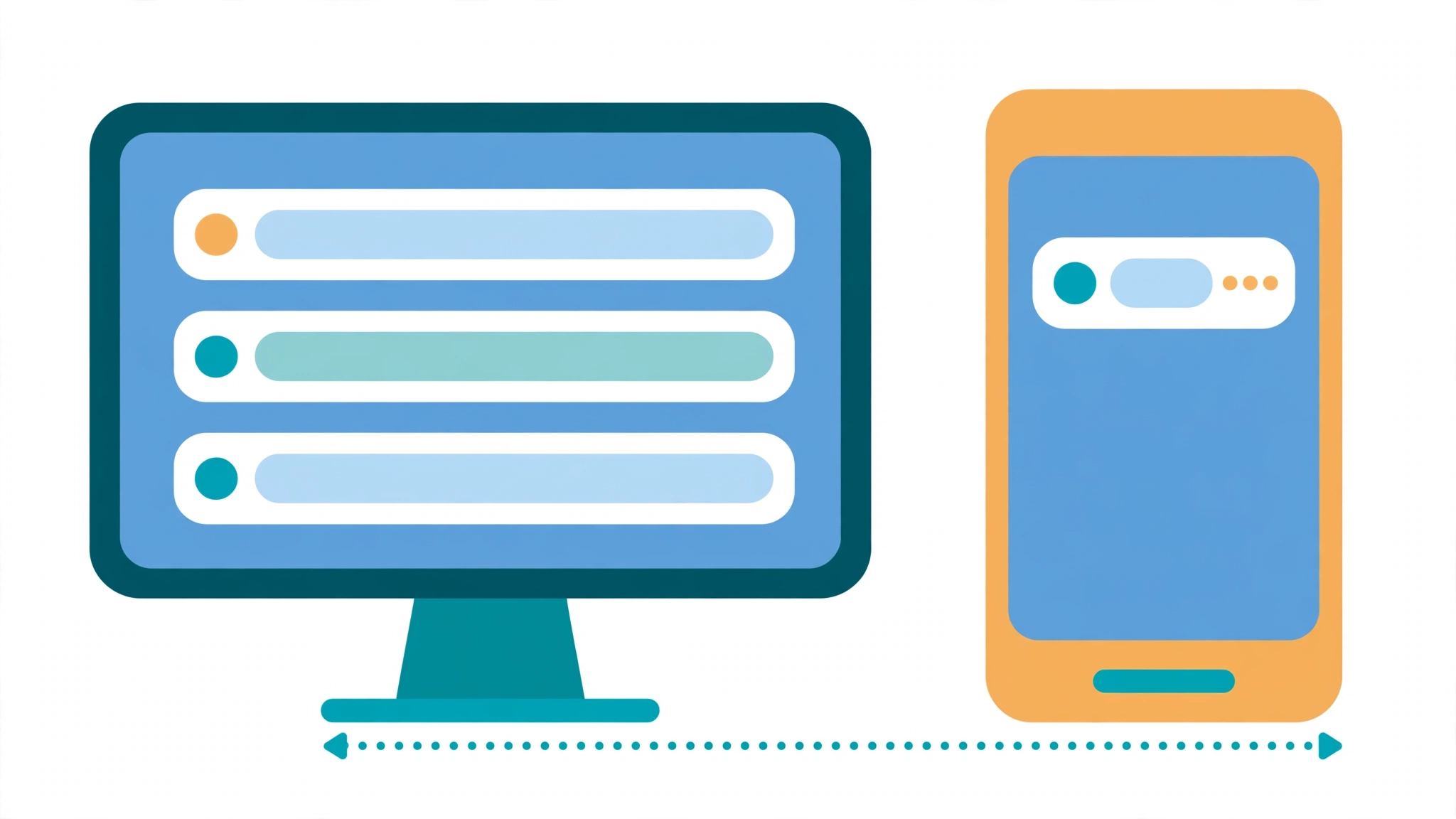
Meta Description Length 2026: Desktop vs. Mobile
Character counts are only a proxy — Google truncates snippets by pixels, not characters. Two descriptions with identical character counts can render very differently depending on letter widths. Desktop gives you roughly 960 pixels of space (about 150–160 characters), while mobile drops to around 680 pixels (about 110–130 characters). The safest strategy: put the essential message in the first 110 characters, where it survives every cutoff.

The Formula: Writing Meta Descriptions That Earn Clicks
Here is a battle-tested meta description length 2026 formula that combines everything above:
[Keyword once] + [benefit in the first 110 chars] + [call to action]
Example: “Meta description length 2026: learn exactly how many characters Google shows on desktop and mobile, then write snippets that earn more clicks — start here.” That is 161 characters — one over the desktop guideline, but the full value proposition lands inside the first 110 characters, so it survives mobile truncation. Better than a “perfect” 155-character description that buries the payoff at the end.
AI Search and the Changing Role of Meta Descriptions
In 2026, most guides stop at the SERP. But AI Overviews and chat-based search engines increasingly generate answers from your page content, and the discipline of writing a crisp meta description length 2026-style summary pays dividends beyond Google: a tight, intent-matched summary becomes the sentence AI models are most likely to quote.
Practical takeaway for your meta description length 2026 strategy: write your meta description like the single sentence you would want an AI to cite about your page. That instinct — clarity, completeness, front-loaded value — is exactly what earns clicks in both search and AI interfaces.
How to Measure Your Meta Description Performance
Most meta description length 2026 guides tell you what to write and stop there. In 2026, measurement is the edge:
- Google Search Console: filter the Performance report by page and compare CTR before and after rewriting a description. A two-percentage-point lift on a high-impression page can mean thousands of extra visits.
- SERP preview tools: render your description at desktop and mobile widths before publishing — not just character count, but the actual pixel truncation.
- A/B testing: rotate two descriptions on comparable pages over 4–6 weeks and measure the CTR delta. Intent-matched CTAs beat clever wordplay in nearly every test.
Quick Reference: Characters vs. Pixels
Keep this meta description length 2026 reference table handy when writing. Aim for 130–150 characters and under ~900 pixels of width.
| Target | Characters | Approx. pixels |
|---|---|---|
| Mobile-safe minimum | 110 | ~680 px |
| Sweet spot | 130–150 | ~800–900 px |
| Desktop guideline | 150–160 | ~960 px |
| Truncation risk | 160+ | 1000+ px |
FAQs
How long should a meta description be in 2026?
Aim for 130–150 characters. Desktop shows roughly 150–160 characters (~960 px) and mobile shows about 110–130 (~680 px). Put the essential message in the first 110 characters so it survives every cutoff.
Does Google penalize meta descriptions that are too long?
No. There is no penalty and no fixed limit — Google simply truncates the displayed snippet. An overly long description is not harmful, but anything past the cutoff is wasted effort, so keep it in the guideline range.
Why does Google rewrite my meta description?
Google generates snippets primarily from your page content and uses your meta description only when it judges that your description represents the page better. Matching the page’s intent and wording closely makes a rewrite less likely.
Should I include the focus keyword in my meta description?
Yes, once, naturally — the phrase “meta description length 2026” appears once in this article’s own meta description for exactly this reason. Google bolds matching query terms in the snippet, which makes your result stand out. Keyword stuffing reads as spam and increases the chance of a rewrite.
Do meta descriptions affect rankings?
Not directly — they are not a ranking factor. But a higher click-through rate means more traffic from the same rankings, and more traffic is what turns rankings into revenue.
How do I write meta descriptions for AI search?
Write your meta description like the single sentence you would want an AI model to quote about your page: complete, clear, and front-loaded with value. That discipline earns clicks in the SERP and citations in AI answers alike.
Conclusion
Forget the magic number. The right meta description length 2026 is whatever fits your most persuasive message into the space Google actually shows — roughly 130–150 characters, front-loaded so the first 110 earn the click alone. Measure what renders, match the intent, end with a call to action, and you will outperform every padded 160-character description in the results.
For more on-page wins, read our guides on on-page SEO and technical SEO audits — or explore the full blog.