If you are wondering how to get cited by ChatGPT, you are asking one of the most valuable marketing questions of 2026. Every day, millions of buyers ask ChatGPT for recommendations — “best CRM for small teams,” “who fixes burst pipes in Austin,” “is creatine safe for teenagers” — and the businesses it cites win attention that never passes through Google’s ten blue links. A citation inside an answer is the new page one.
The good news: getting cited is a skill, not a lottery. ChatGPT does not cite pages at random. It retrieves pages that are easy to find, easy to verify, and easy to quote — and then it shows its work with inline citations or a sources panel. This guide breaks down exactly how that selection works and gives you seven practical steps to make your business the one it quotes.
A Citation Is Not a Mention: Know What You Are Chasing
Before we go further, get this distinction right, because most businesses measure the wrong thing. A brand mention means ChatGPT recognizes your company as an entity — it “knows” you exist. A citation means ChatGPT retrieved one of your pages from the web and used it as evidence in an answer, with your URL shown as a source.
Only the second one sends you traffic and builds trust. A model can know your brand perfectly well while citing a competitor’s website for the actual facts — because the competitor’s page was easier to retrieve and quote. When people ask how to get cited by ChatGPT, what they really mean is: when ChatGPT needs evidence for a customer question, does it pull a page from my domain? Everything in this guide serves that single test.
How ChatGPT Decides What to Cite
ChatGPT’s search feature works roughly like this: when a question benefits from current or factual information, the system searches the web, retrieves a handful of candidate pages, and composes an answer grounded in the best ones. Pages win citations when they satisfy three filters:
- Retrievable. The page is indexed, accessible to the right crawlers, and topically matched to the question. If OpenAI’s search crawler cannot fetch your page, you cannot be cited — no matter how good the content is.
- Verifiable. The claims are specific, sourced, and consistent with what the rest of the web says about you. Vague marketing copy loses to concrete numbers, named sources, and original data every time.
- Quotable. The answer exists in a clean, self-contained passage the model can lift. A direct 40-to-60-word answer under a question-shaped heading beats the same information buried in a 400-word paragraph.
Notice what is missing from that list: domain authority worship, keyword stuffing, and tricks. Small sites get cited constantly when they are the clearest answer to a specific question. With that mechanism in mind — the real engine behind how to get cited by ChatGPT — here are the seven steps.
How to Get Cited by ChatGPT: 7 Practical Steps
Work through these in order. Each one removes a specific reason ChatGPT might skip over your pages.
Step 1: Map the exact prompts your buyers ask
Do not start with keywords — start with questions, in the buyer’s own words. Write down 10 to 20 prompts where you would want to be the cited answer. Mix broad discovery questions (“best project management software for architects”) with comparison questions (“Asana vs Monday for small teams”) and problem-solving questions (“how to fix a leaking shower valve”). The broad ones matter most, because that is where most small brands are invisible.
Then run each prompt in ChatGPT yourself, in a fresh chat, and record three things: were you cited, who was cited instead, and what type of source won (blog, Reddit thread, directory, forum, competitor site). This table is your baseline, and maintaining it is the single most clarifying habit when learning how to get cited by ChatGPT. It tells you which questions you already win, which you lose, and what kind of content beats you — which is far more useful than any rank tracker.
Step 2: Make your pages extractable
This is the highest-leverage on-page work you can do. For every important page, lead each section with a direct answer of 40 to 60 words that fully answers the heading’s question with no throat-clearing. Follow it with one to three sentences of useful detail. The short core is what the model lifts; the extra context earns the reader’s trust.
Structure helps enormously, and it is the most underused tactic for anyone figuring out how to get cited by ChatGPT. Use question-shaped H2 and H3 headings that mirror how people actually ask (“How much does X cost?” rather than “Pricing considerations”). Add comparison tables for “X vs Y” topics — models love tables because the facts are pre-organized. End key pages with an FAQ section answering four to six genuine follow-up questions, and mark it up with FAQ schema. If you want the same playbook applied to Google’s AI answers, our guide on how to rank in Google AI Overviews covers the citation-friendly formatting both systems reward.
Step 3: Fix your brand entity everywhere
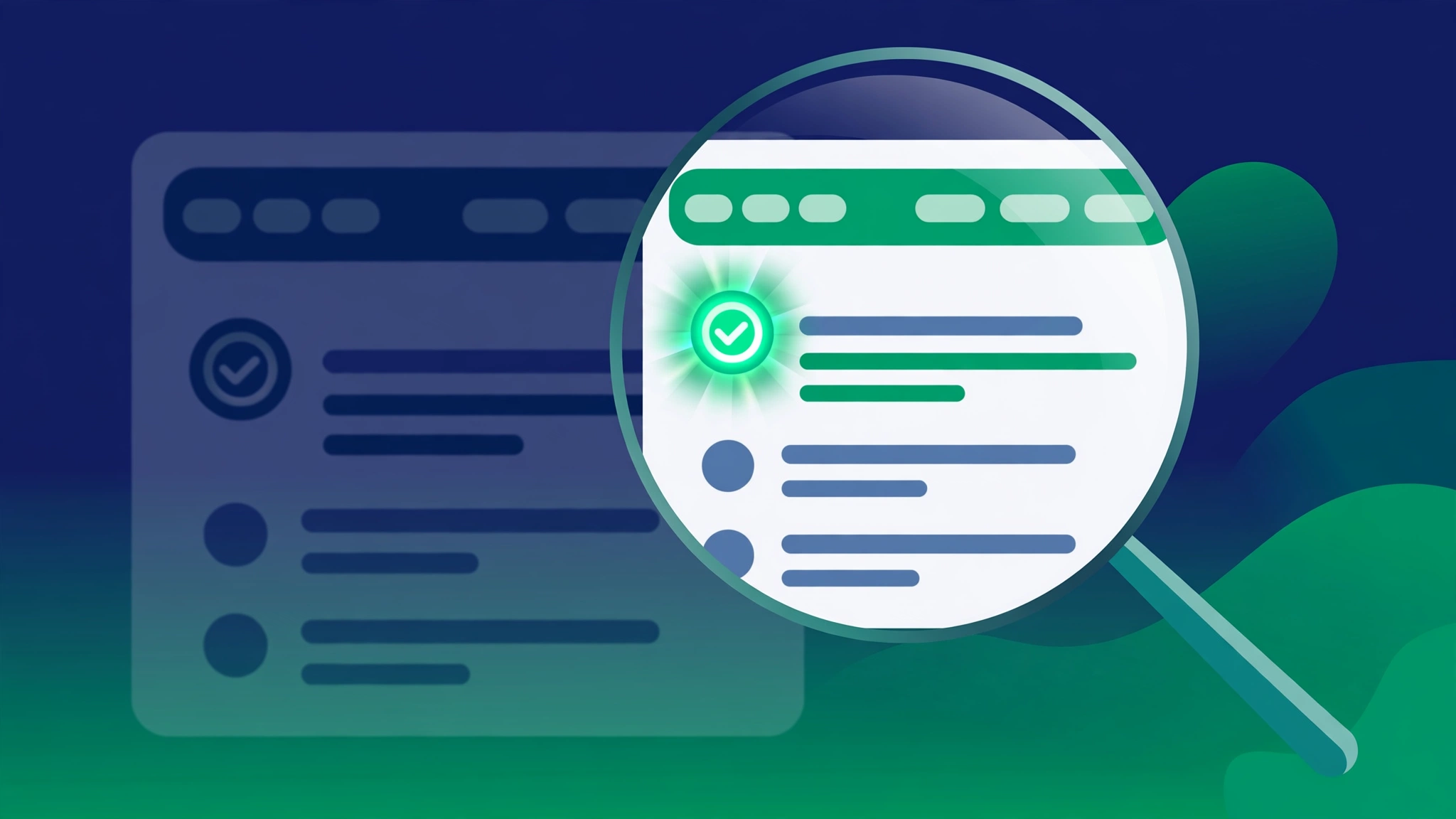
ChatGPT builds a picture of your business from many sources, not just your website. If your business name, category, description, phone number, and service area differ across your site, Google Business Profile, directories, review platforms, and social profiles, the model cannot categorize you confidently — and an uncertain model does not cite.
Audit the basics this week: one exact business name, one category, one one-line description, and matching contact details everywhere you appear. This sounds boring. It is also the step most small businesses have never done, and it quietly undermines everything else. Consistency before volume — entity clarity is a prerequisite for citations, not a bonus.
Step 4: Earn the third-party mentions ChatGPT trusts
Here is the uncomfortable truth from every serious study of AI citations: what others say about you often matters more than what you say about yourself. ChatGPT weighs “best of” roundups, comparison articles, review platforms, and community discussions heavily when deciding whom to cite — especially for recommendation-style questions.
Practical moves: get listed in the roundup articles your buyers actually read, build steady review volume (and ask reviewers to mention specifics, not just “great service”), and participate genuinely in the Reddit threads and forums where your buyers ask questions. A detailed, specific review or a helpful forum answer is exactly the kind of extractable evidence answer engines love. This is slow work, but third-party corroboration is the biggest long-term lever in how to get cited by ChatGPT.
Step 5: Let the right crawlers in
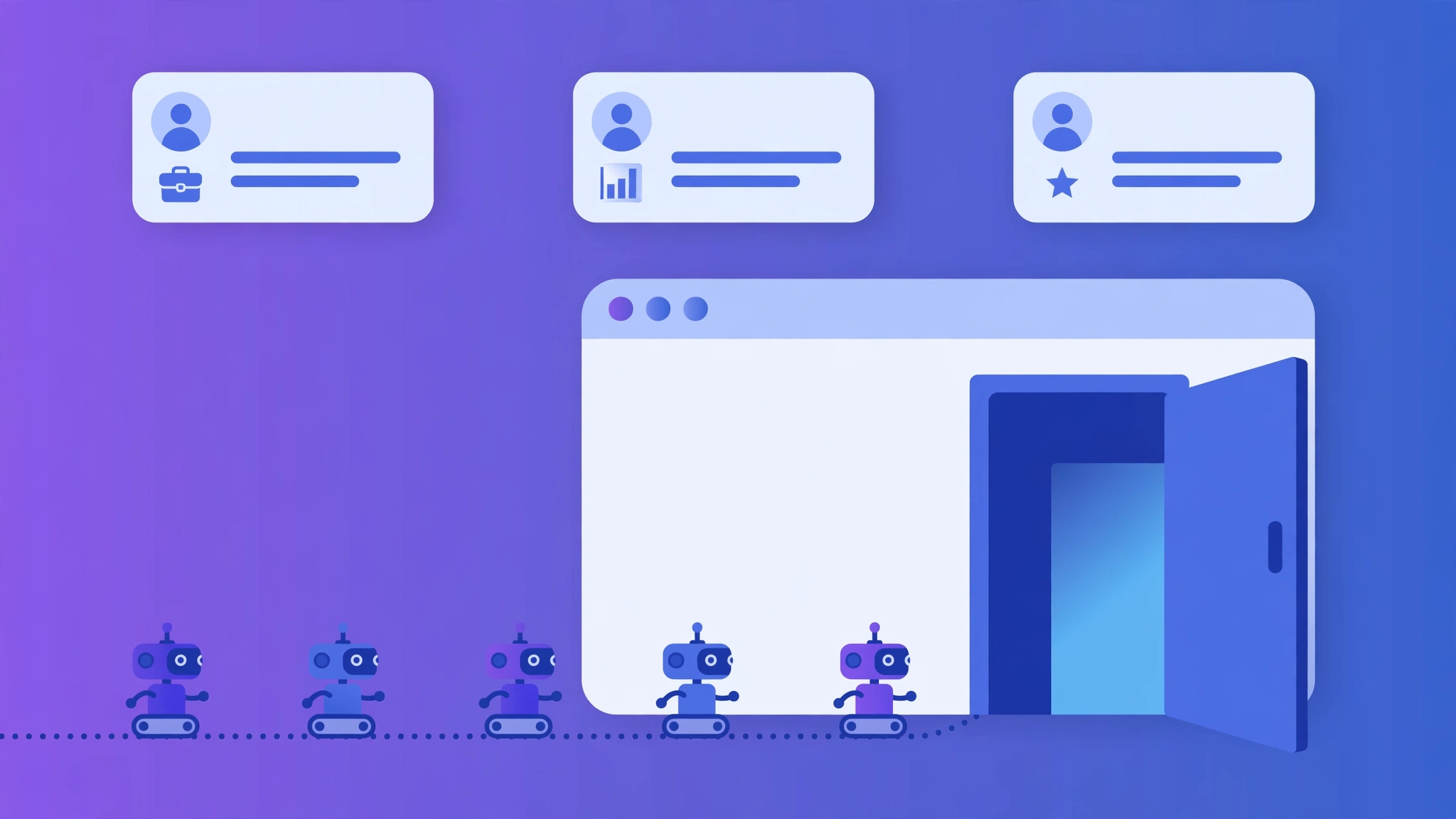
This step is binary and takes ten minutes. ChatGPT’s live search is powered by specific crawlers, and blocking them means invisibility. Make sure your robots.txt does not block OAI-SearchBot (which governs what surfaces in ChatGPT search results) or ChatGPT-User (which fetches pages when a user asks about them directly). GPTBot is training-only — allowing it affects future training data, not live citations, but there is little reason to block it either.
Two related checks: make sure your key pages are indexed in Bing (ChatGPT’s search draws heavily on Bing’s index), and submit new or updated pages promptly. If you are curious how machine-readable helpers fit into this picture, read our beginner’s guide to what llms.txt is — a simple file that gives AI systems a clean map of your site. For the crawler specifics, OpenAI’s crawler documentation lists each bot and what it does.
Step 6: Publish specifics competitors cannot copy
Generic advice gets skipped; specific evidence gets cited. Pages with original data — your own survey results, pricing you actually charge, before-and-after case numbers, a methodology note — become the only source for those facts, which makes them nearly automatic citation candidates when the question comes up.
You do not need a research department to crack how to get cited by ChatGPT — you need specificity. Publish your process with real numbers (“we audited 47 local plumbing sites; 31 had no service schema”), share anonymized client results, or maintain a statistics page in your niche with a visible last-updated date. Named authors help too — a real person standing behind the claims makes the page more trustworthy to both readers and retrieval systems.
Step 7: Measure citations, not mentions
Close the loop on how to get cited by ChatGPT with the same prompt table from Step 1. Re-run your 10 to 20 prompts every two to four weeks and record, per prompt: cited or not, who was cited instead, and which source type won. Citations shift as engines re-crawl and as content changes, so a single snapshot is a starting point — the trend line is the signal.
When a prompt you targeted starts returning your URL, note what changed: usually it is one of the steps above finally compounding. When a prompt stays dark, look at who wins it and ask what their page has that yours does not — a more direct answer, fresher data, stronger third-party corroboration. That gap analysis writes your content roadmap for you.
How Long Before You See Citations?
Set honest expectations: this is not a two-week trick. After you publish or overhaul a page, allow four to twelve weeks for crawlers to re-fetch it, for Bing’s index to reflect the changes, and for ChatGPT’s retrieval to start surfacing it. Brand-entity fixes (Step 3) and third-party mentions (Step 4) compound even more slowly — think in quarters, not weeks.
That timeline is exactly why the measurement habit in Step 7 matters for anyone serious about how to get cited by ChatGPT. Most businesses quit in week three because they are watching the wrong signal. Re-run your prompt table monthly; when your first citation appears, you will know precisely which step produced it, and you can double down on what works instead of guessing.
FAQs
How long does it take to get cited by ChatGPT?
Typically four to twelve weeks after publishing or substantially improving a page, because crawlers must re-fetch it and indexes must update before ChatGPT’s search can retrieve it. Entity-consistency fixes and new third-party mentions take longer to compound — often a full quarter. Track a fixed prompt list monthly rather than checking daily; the trend line is the signal.
Does ChatGPT prefer certain types of content for citations?
Yes. Pages that lead with direct 40-to-60-word answers, use question-shaped headings, include comparison tables, publish specific numbers and original data, and carry FAQ sections with schema get cited far more often. The pattern is consistent: content that is pre-structured as an answer is easier for the model to retrieve and quote than the same facts buried in long paragraphs.
Do I need to allow OpenAI’s crawlers to get cited?
For live-search citations, yes — do not block OAI-SearchBot or ChatGPT-User in robots.txt, or ChatGPT cannot fetch your pages when composing answers. GPTBot is used for training data rather than live search, so allowing it affects future models, not today’s citations. Also confirm your key pages are indexed in Bing, which powers much of ChatGPT’s web retrieval.
Can a small business get cited, or only big brands?
Small businesses get cited constantly — citations reward the clearest answer to a specific question, not the biggest domain. A local plumber with a precise, well-structured answer to “how much does water heater replacement cost in Austin” can out-cite a national directory. Entity consistency and specific, original detail matter far more than brand size.
What is the difference between a mention and a citation in ChatGPT?
A mention means ChatGPT recognizes your brand as an entity — it knows you exist. A citation means it retrieved one of your pages and used it as evidence, showing your URL as a source. Only citations send traffic and build buyer trust. Track citations against a fixed prompt list; mentions alone tell you almost nothing about visibility.
Should I write content specifically for AI, or will good SEO content work?
Start with good SEO content, then add the AI-specific layer: question-shaped headings, direct answer-first passages, comparison tables, FAQ sections with schema, and original data. Most of what earns citations is simply excellent, specific content. The AI layer is about making that content retrievable, verifiable, and quotable — which also happens to be good SEO.
The Bottom Line
Learning how to get cited by ChatGPT comes down to a simple formula: map the real questions your buyers ask, publish pages that answer them in extractable form, keep your brand entity consistent everywhere, earn third-party corroboration, let the right crawlers in, and measure citations on a fixed schedule. None of these steps is exotic. Together, they make your business the easiest page in your niche to retrieve, verify, and quote — which is exactly what gets cited.
Want an expert eye on your AI readiness? Our team will review your site for free — citation-friendly structure, entity consistency, crawler access, and the quick wins your competitors are missing. Claim your free site audit today and find out exactly which pages are ready to win AI citations.
2 Responses