Data-Driven Link Building: Earn Links With Original Research

Every week, editors delete hundreds of link requests without a second thought. But there is one pitch they almost never ignore: original data. That is the entire premise of data-driven link building — instead of asking strangers for links, you publish research so useful that journalists and bloggers link to it on their own, because they need your numbers to tell their story. A single well-executed data study can earn 40–80 editorial links, and those links keep compounding as your study gets cited year after year. Best of all, you don’t need a five-figure research budget. Here are seven tactics covering free data sources, the embargo pitch sequence, and the living-study refresh model. Why Data-Driven Link Building Outperforms Traditional Outreach Traditional outreach has a math problem. Even great campaigns convert only 5–10% of prospects into links, and every link costs a fresh round of prospecting, personalization, and follow-ups. Data-driven link building flips the equation: you invest once in a research asset, then earn links passively as writers discover and cite it. Three reasons it works: journalists are desperate for statistics, and when yours is the only public dataset on a topic, you become the default citation. Original research is nearly impossible to replicate, so your links are defensible. And data content fits the linkable assets model perfectly — it keeps earning while you sleep. Compared with standard link building tactics, research-led campaigns attract a better class of link — editorial mentions from real publications, not forgettable low-quality placements. 7 Powerful Tactics for Data-Driven Link Building 1. Mine zero-budget data sources first You don’t need a $20,000 survey to do data-driven link building. Some of the most-linked studies ever published were built on free public data: Google Trends: compare search interest across competitors or cities and publish the winners-and-losers story. Public datasets: portals like data.gov publish thousands of free datasets on everything from housing to health. Your own analytics: aggregate anonymized customer or product data into benchmarks nobody else can publish. Review mining: analyze thousands of public reviews to quantify what customers actually complain about. Search Console data: your own query data reveals the questions your industry asks but nobody answers well. Raw data is boring — a surprising comparison is linkable. 2. Run a lean original survey When free data won’t cut it, run your own survey — but keep it lean. You need 300–500 respondents for credibility, recruitable through your email list, social audience, or affordable panels. Ask 8–12 focused questions, with at least two designed to produce a counterintuitive finding — “73% say X, but our data shows the opposite” is the headline that earns coverage. Always publish your methodology (sample size, dates, method): credibility separates link-worthy research from ignored content. 3. Build a “state of the industry” index Score and rank companies, cities, or tools on a transparent methodology and everyone on the list will share it — winners link to it proudly. Annual “state of” reports become the definitive reference that every new article on the topic links to. Keep your methodology public and your data downloadable: transparency earns trust, and trust earns links. 4. Make every finding embeddable A journalist on deadline will not rebuild your chart. Give every key finding its own clean, branded visual with an embed code underneath. Each embedded chart travels with a link back to your study. This single tactic can double a campaign’s link yield, and it’s the step most guides skip. 5. Pitch with the embargo-exclusive sequence Don’t blast your study to 500 journalists on launch day. Data-driven link building rewards a sequenced pitch: Two weeks out: offer an exclusive to one tier-one publication in your niche — exclusives earn bigger features. One week out: send embargoed previews to 15–25 targeted journalists with two or three findings tailored to their beat. Launch day: publish, then follow up with everyone who didn’t cover it, leading with the finding most relevant to them. This sequence lands coverage that looks like a big PR budget. Pair it with a digital PR on a small budget mindset and the whole campaign costs you only time. 6. Newsjack with fresh numbers When a story breaks in your industry, journalists need data within hours, not weeks. Keep a small “rapid response” dataset ready — even a one-question poll of your audience run that morning. Being the first source with numbers on a trending story earns links from outlets that would never answer a cold pitch. 7. Turn your study into a living study Here’s the tactic almost nobody uses: don’t let your research die after launch. Update the same study every 6–12 months with fresh data and republish it at the same URL. Each refresh earns a new wave of coverage (“2026 edition”), the page accumulates authority instead of decaying, and writers prefer linking to the current edition over stale alternatives. One living study can outperform five one-off campaigns — this is data-driven link building at its most efficient. How to Measure Data-Driven Link Building Success For every study, record: referring domains in the first 90 days, share of links from DR 50+ sites, branded search lift post-launch, and assisted conversions in GA4. Most teams find research-led links cost 30–50% less per link than outreach — and the gap widens every year the study keeps earning. Frequently Asked Questions How much does data-driven link building cost? Almost nothing. Zero-budget studies built on public data need only your time; a lean 300–500 respondent survey runs a few hundred dollars via affordable panels. The expensive part isn’t the research — it’s distribution, which is why the pitch sequence above matters more than your budget. How long does it take to earn links from original research? The first links arrive within 1–2 weeks if you run the embargo-exclusive sequence. The bigger payoff comes over 6–12 months of organic discovery — and refreshed living studies can earn links for years from one URL. Do I need a large audience to run a survey? No. Affordable panels recruit
Broken Link Building Step by Step: Turn Dead Links Into Live Backlinks
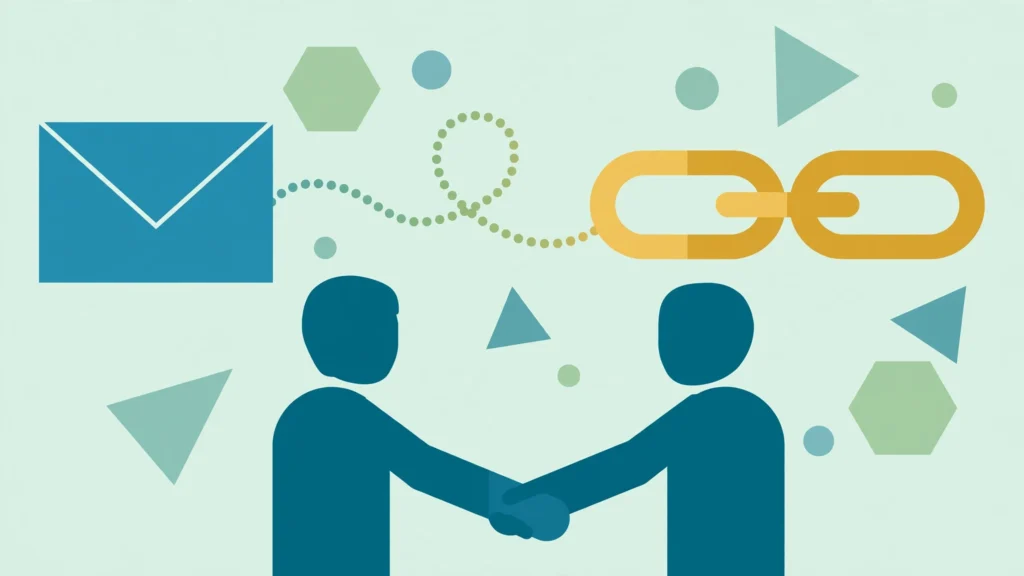
Broken link building step by step: find dead pages, check what they said, build a better replacement, and pitch it honestly, within Google’s link policies.