People Also Ask Optimization: How to Earn PAA Visibility in 2026
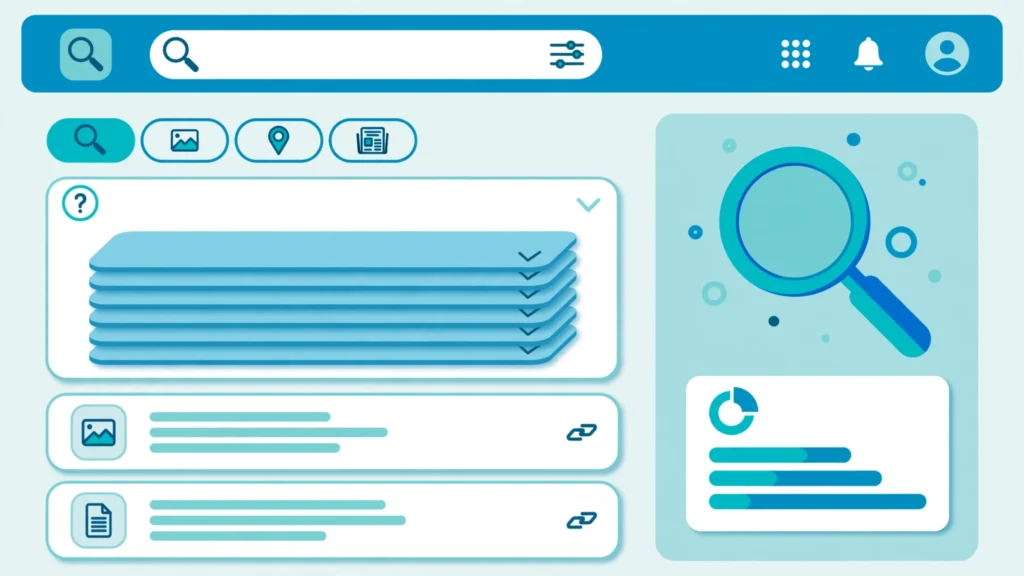
Google retired FAQ rich results and most People Also Ask answers are now AI-generated. Learn how to write question-led pages that earn visibility.
Featured Snippet Optimization: How to Steal Position Zero in 2026
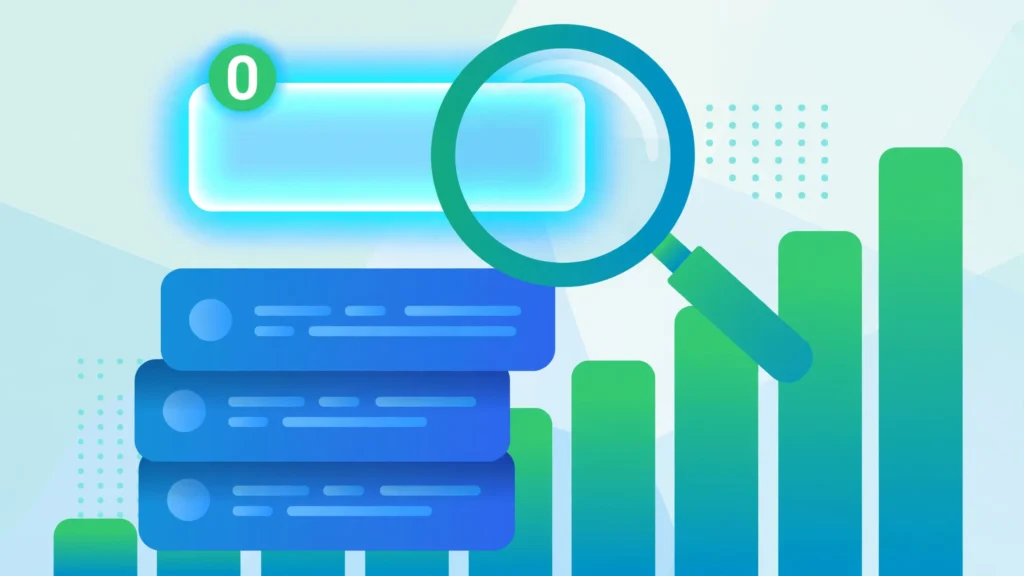
Featured snippet optimization is the practice of structuring your content so Google selects it for the answer box at the very top of the results — Position Zero. In 2026, with AI Overviews eating screen space and organic listings pushed further down, owning that box is one of the few reliable ways to stay visible. This guide gives you the full playbook: the four snippet formats, a 7-step system, a method for stealing snippets from competitors, and how to measure it all in Search Console. What Is Featured Snippet Optimization? Featured snippet optimization is the SEO discipline of formatting and phrasing your content so Google can extract it directly into the featured snippet box that appears above the standard organic results. A featured snippet is Google’s short, direct answer to a searcher’s question, pulled from one page — and it doesn’t always come from the #1 result. Pages ranking in positions two through ten regularly win the box, which is what makes featured snippet optimization such a powerful lever: it’s one of the only places in SEO where a smaller site can leapfrog a bigger competitor without outranking them everywhere else. At its core, the work is simple. Google needs an answer it can lift cleanly — self-contained, concise, and formatted to match the query’s intent. Your job is to give it exactly that, wrapped in a page with enough depth and authority that Google trusts you as the source. The 4 Featured Snippet Formats (and How to Win Each) Google shows different snippet formats depending on the query type. Your featured snippet optimization starts with identifying which format your target query triggers, then matching it exactly. Paragraph Snippets The most common format, triggered by “what is,” “why,” and “how does” queries. Place a 40–60 word direct answer immediately below an H2 that mirrors the query. Start with the subject, not your brand: “Keyword research is…” beats “We define keyword research as…” Follow with 2–4 supporting sentences, but keep the first block self-contained — Google may show only that. List Snippets (Numbered and Bulleted) Triggered by “how to,” “steps,” “best,” and “types of” queries. Use a proper HTML ordered or unordered list directly under a question-phrased heading. Keep 5–8 items, each under 12 words, front-loading the key action. More than nine items triggers truncation, so stay lean. Table Snippets Triggered by comparisons, pricing, and data queries (“X vs Y,” “average cost of”). Use a real HTML table with a header row, four or fewer columns, and the primary entity in the first column. Tables double as strong candidates for AI Overview citations on comparison content. Video Snippets Triggered by tutorials and how-to queries. Publish a YouTube video with a query-matched title, add VideoObject schema to the embedding page, and use labeled chapters (timestamps in the description) so Google can navigate viewers to the exact moment. What Google Actually Requires Before It Hands You Position Zero Featured snippet optimization only works when the fundamentals are in place. Three requirements are effectively non-negotiable in 2026: You must rank on page one for the query. Google almost never grants a snippet to a page outside the top ten. Snippet work is a layer on top of SEO, not a substitute for it. Your answer must be extractable. Clean semantic HTML, a question-mirroring heading, and the answer directly below it. Buried answers never win. The format must match the intent. If Google currently shows a list for your query and you wrote a paragraph, you’re fighting the algorithm’s learned preference. Match what the SERP wants. Layer authority on top: pages from sites with demonstrated expertise and trustworthy content win ties. Good on-page SEO — internal links, fast load, clean mobile rendering — is part of the trust calculation. The 7-Step Featured Snippet Optimization Playbook Here is the repeatable system our team uses for featured snippet optimization campaigns. Run it query by query. Step 1: Find Snippet-Worthy Queries Look for question-based long-tail keywords in your niche. In Google Search Console, filter your queries with a regex for question words (who, what, where, when, why, how, can, does) and sort by impressions — these are queries where you already have visibility and Google already believes you relevant. Also scan competitors’ pages that own snippets in your space; any snippet they hold for a query you rank for is a target. Google’s own documentation on how featured snippets work confirms there’s no special markup to buy your way in — it’s earned through formatting and relevance, which pairs naturally with the structured-content tactics in our guide to ranking in Google AI Overviews. Step 2: Study the Current Snippet’s Format Search the query in an incognito window. Note the exact format (paragraph, list, table, video), its length, and the angle of the current winner. Your rewrite must match the format and beat the angle. Step 3: Write the Snippet-Bait Answer Block Directly under a heading phrased as the question, write a 40–60 word answer. Declarative sentences, no hedging, no “it depends,” no marketing fluff. This block is what Google lifts — it must make sense with zero surrounding context. Step 4: Use Semantic HTML Real heading tags, real lists, real tables. Avoid divs styled to look like headings or lists built with line breaks — crawlers can’t extract them reliably. Keep tables narrow and lists short. Step 5: Add Depth Below the Answer Google rewards pages that are more than just a snippet. Expand below your answer block with examples, data, and related subtopics. The snippet gets you the box; the depth keeps the ranking that makes the box possible. Step 6: Mirror Question Phrasing in Headings If users search “how do I optimize for featured snippets,” your H2 should say “How Do I Optimize for Featured Snippets?” — not “Our Snippet Strategy.” Match the language of the query, not your internal vocabulary. Step 7: Strengthen Your Authority Signals Earn or keep quality backlinks to the page, keep the content fresh with periodic updates, and link internally
Zero Click Search Strategy: A 2026 Survival Guide

Your rankings are up. Your impressions are up. Your traffic is down. If that sentence describes your analytics dashboard, you’re living through the zero-click era — and you need a zero click search strategy before the gap gets wider. A zero-click search is any search that ends without the user clicking through to a website. Google answers the question right on the results page — through AI Overviews, featured snippets, knowledge panels, or People Also Ask boxes — and the searcher gets what they need and leaves. Widely-cited research has put the zero-click share of Google searches at roughly 60%, and AI Overviews have only pushed that number higher. This isn’t a reason to abandon SEO. It’s a reason to change what “winning” means. This playbook shows you how to build a zero click search strategy that turns unclicked searches into brand visibility, authority, and eventually customers. What Is a Zero-Click Search? A zero-click search happens when Google satisfies the query directly on the search results page. The user types a question, reads the answer, and never clicks. The main culprits: AI Overviews: Google’s generative summaries at the top of results, with a handful of cited sources. Featured snippets: the classic “position zero” answer box pulled from a ranking page. Knowledge panels: entity information (businesses, people, places) shown in a side panel. People Also Ask (PAA): expandable question boxes that answer follow-up queries inline. Direct answer boxes: instant answers for weather, calculations, definitions, conversions. Here’s the uncomfortable truth most guides bury: zero-click searches are not all bad. A huge share of them were never going to become customers. “what time is it in Tokyo” was never a buying journey. The strategic question is which zero-click queries touch your buyers, and how you show up inside them. How Big Is the Zero-Click Problem in 2026? Let’s put numbers on it. The landmark SparkToro/Datos analysis found that nearly 60% of Google searches in the US and EU ended without a click to the open web — and that was before AI Overviews rolled out broadly. With AI-generated summaries now appearing on a large share of informational queries, the zero-click share for question-type searches is almost certainly higher today. But the aggregate number hides the important split: Navigational and simple informational queries (weather, definitions, quick facts): 70–80%+ zero-click. These were always low-value for most businesses. Commercial investigation queries (“best CRM for small business”, “X vs Y”): still heavily clicked, because buyers want depth, comparisons, and proof before deciding. Local queries: often “zero-click” in the technical sense — the user calls, gets directions, or books straight from the business profile without visiting the website. That’s a conversion, not a loss. Your zero click search strategy should start by segmenting your own Search Console data: which queries lost clicks while gaining impressions? Those are your zero-click battlegrounds. Everything else is noise. Why Your Zero Click Search Strategy Can’t Just Be “Rank Higher” The old instinct — “we’ll just rank #1 and the clicks will come” — breaks down in a zero-click SERP. When an AI Overview answers the question above the fold, the #1 organic listing sits below it. Studies of AI Overview SERPs consistently show depressed click-through rates for the traditional listings underneath. Ranking still matters enormously — AI Overviews disproportionately cite pages that already rank well. So rankings are the ticket to the citation game. But ranking is now necessary rather than sufficient. A complete zero click search strategy optimizes for the whole SERP surface, not just the blue links: Win the featured snippet and PAA boxes for your question set. Get cited inside AI Overviews (see our AI Overviews ranking playbook for the exact structure). Own your knowledge panel and entity presence. Make your brand the memorable name inside answers people read but don’t click. The goal shifts from “earn the click” to “become the answer.” When you become the answer, the clicks that do happen convert better — because the searcher already trusts the source. The 6 Pillars of a Winning Zero Click Search Strategy 1. Map every question, not just every keyword Traditional keyword research targets the words people type. Zero-click optimization targets the intent behind those words. For each priority topic, map 30–50 real questions using Google’s People Also Ask, autocomplete, and the questions AI chatbots answer in your niche. These questions are the content brief for your zero click search strategy — each one is a potential PAA win, snippet win, or AI citation. 2. Write answer-first, every time The single highest-leverage format change: put a direct 40–60 word answer immediately under each question-style heading, then elaborate below. This gives Google a clean extraction point for snippets and PAA boxes while keeping enough depth to earn the click from users who want more. Question as H2, direct answer as the first paragraph, supporting detail after — no filler intros. This discipline is the foundation of a strong zero click search strategy. 3. Structure for extraction AI systems and snippet algorithms both prefer content that’s easy to lift. Use ordered lists for processes, tables for comparisons, and short declarative paragraphs for definitions. Add schema markup (FAQ, HowTo, Article) that accurately reflects visible content — Google’s structured data documentation is the authoritative reference for what’s supported. Structured data doesn’t guarantee selection, but it removes friction from your zero click search strategy. 4. Build entity authority Knowledge panels and AI answers both run on entities, not keywords. Keep your business name, description, and category identical across your site, Google Business Profile, LinkedIn, and directories. Publish original data and expert quotes that third parties reference — corroboration across sources is what makes an AI system confident enough to cite you, a key input to any zero click search strategy. 5. Diversify beyond the blue links With organic clicks under pressure, the channels that capture demand directly matter more: email lists, YouTube, podcasts, industry communities, and direct brand search. A searcher who reads your cited answer today and searches your brand name