Some of the strongest backlinks you’ll ever earn need no outreach campaign and no budget. You write a genuine testimonial for a product you already use; the vendor publishes it with a link back to your site. That is testimonial link building: social proof for them, a contextual backlink for you.
The link is a byproduct of a real business relationship, not a transaction. The vendor publishes your quote to convert their own visitors, so it sits inside genuine content on a relevant, trusted domain. It costs nothing, and the links tend to stick for years.
What Is Testimonial Link Building?
Testimonial link building means earning a backlink by giving a written or video testimonial to a business whose product you genuinely use. When they feature it on their homepage, customers page, or case studies section, they credit your name, company, and — if you play it right — a link to your website.
Everyone wins: the brand gets social proof, you get a relevant backlink, their prospects get honest validation. Because you lead with value instead of asking for a favor, reply rates dwarf cold outreach.
Why It Works So Well
Marketing teams constantly need fresh customer quotes because generic testimonials stop converting. A specific, results-driven quote from a real user is hard to say no to — so your pitch reaches people who already want what you offer.
The links are unusually durable: a guest post can vanish in a redesign, while a homepage testimonial often survives for years untouched. And since the site owner places the link inside real content, it looks natural to algorithms and reviewers alike.
One caveat: not every testimonial page links out, and many use nofollow. Nofollow links from relevant, high-traffic pages still drive referrals and diversify your profile — but qualification is what separates winning testimonial link building campaigns from wasted effort. Hence the steps below.
Testimonial Link Building in 7 Proven Steps
Step 1: List Products You Actually Use
Start with your toolstack: hosting, email platform, WordPress theme and plugins, analytics, payment processor, project tools, paid courses or communities. These are your warmest targets because your praise is honest.
Add products you recommend to clients — affiliate tools you genuinely use count. Target 20–30 names in a spreadsheet with columns for company, contact, testimonial page URL, and link status.
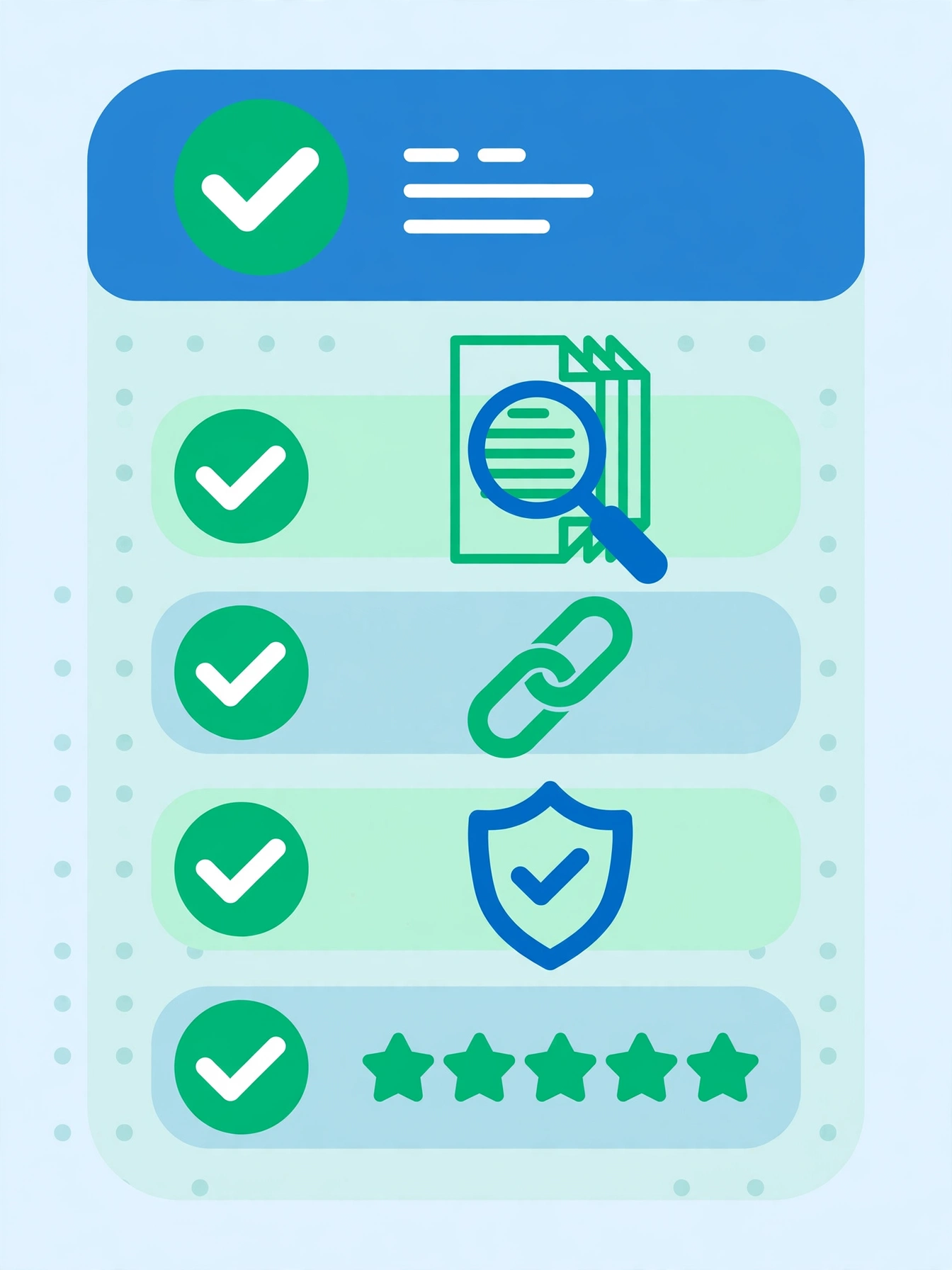
Step 2: Run the Qualification Checklist
The step most guides skip — and where campaigns succeed or fail. Check each target before writing a word:
- Do they link to customers? Inspect their testimonials page. If no customer ever got a link, skip them. Prioritize brands that already credit customers with clickable links.
- Follow vs nofollow: Dofollow is ideal; nofollow on a high-traffic homepage still has value — rank it lower, don’t discard it.
- Placement: Homepage or customers page beats a buried reviews archive.
- Relevance: The vendor should be in or near your niche.
- Domain strength: A solid mid-size vendor beats a spammy high-DR site. Vet prospects with our guide on how to check backlink quality.
Ten qualified targets beat fifty random ones.
Step 3: Find the Right Contact
Skip the contact form. Email someone in marketing, customer success, or partnerships — they own the testimonial page. LinkedIn and team pages give you names in seconds.
Keep the pitch short: name the product, cite one concrete result, offer the testimonial with no strings attached. Never open by asking for a link — that makes it feel transactional.
Step 4: Write a Testimonial They Must Publish
Generic praise gets ignored. Winning testimonials follow a formula: specific outcome, specific timeframe, specific detail. “Great tool!” loses to “Cut our email production time from six hours to ninety minutes a week in our first month.” Only one converts visitors.
Use your real name, title, and company, plus a headshot if asked. Keep claims honest — fabricated results breach the FTC’s endorsement guidelines on truthful claims and disclosure.
Step 5: Recover the Link When They Forget It
Vendors often publish your name and company with no link — oversight, not malice. Wait two to three days, then write a friendly note: thank them, say you’re sharing the feature, and ask if they’d make your company name clickable “so readers can find us.” Frame it as helping their readers.
This one follow-up is the highest-ROI email in testimonial link building. Don’t push a nofollow page for dofollow, though — that’s burning goodwill for little gain.

Step 6: Offer Video to Top Targets
For your five best targets, offer a 60-second video testimonial. Video converts better for the vendor, so it gets prioritized: faster publication, premium placement. Phone camera, good light, name, company, one result, under a minute.
Step 7: Track and Repeat Quarterly
Log target, pitch date, publication date, link URL, and attribute. Every quarter, revisit: newly adopted products, redesigned testimonial pages, and published-but-unlinked testimonials become fresh opportunities. In testimonial link building, the list compounds — each cycle surfaces more targets than the last.
Beyond SaaS: Where Else This Works
Agencies can review hosts, stock photo services, and proposal tools. Ecommerce stores can praise packaging suppliers and 3PL partners. Local businesses can testimonial their POS or booking software. B2B consultants can target every tool vendor with a marketing team hungry for case studies.
Don’t overlook the vendors you pay yearly but never think about — registrars, SSL providers, premium plugin developers all run testimonial pages almost nobody pitches. See the bigger picture in our guide on how to get quality backlinks.
Frequently Asked Questions
Is testimonial link building white hat?
Yes. Genuine feedback about a product you use, published at the vendor’s discretion — no payment, no scheme. Safely inside Google’s spam policies. Disclose affiliate or partnership ties per FTC rules.
How long does it take?
Two to six weeks from pitch to published link; warm customer relationships often move in days. The Step 5 follow-up adds about a week and is always worth it.
What if they publish without a link?
Send the Step 5 follow-up. Most vendors add the link when asked. If they decline, leave it — the brand mention still has value.
Do nofollow testimonial links help?
Indirectly: referral traffic, profile diversity, brand visibility. Treat them as a bonus and prioritize dofollow-giving vendors when qualifying.
How many is too many?
No fixed number, but keep testimonials one tactic among several. An all-testimonial link profile looks one-dimensional — mix in guest posts, digital PR, and resource links.
Conclusion
Testimonial link building is that rare free, scalable, genuinely pleasant tactic: you praise products you like instead of begging strangers for favors. Build your list this week, qualify ruthlessly, write testimonials vendors can’t resist, and always send the recovery follow-up. Repeat quarterly and watch durable backlinks stack up.
Want it folded into a full system? Talk to our team about a link building strategy for your niche.